
A More Detailed Look at Your Hormone Health
Hormones play an important role in energy, sleep, mood, metabolism, reproductive health, and overall well-being. When symptoms are persistent or difficult to explain, a closer look at hormone patterns may provide useful information. At Great Lakes Health, Wellness & Aesthetics in Wyandotte, MI, we offer DUTCH Hormone Testing as an additional tool to support individualized conversations about your health.
Our approach focuses on understanding your concerns, reviewing relevant findings, and developing a care plan based on your medical history, symptoms, goals, and clinical needs.
What Is DUTCH Hormone Testing?
DUTCH stands for Dried Urine Test for Comprehensive Hormones. Developed by Precision Analytical, DUTCH testing uses dried urine samples to measure selected hormones and hormone metabolites. Depending on the test ordered, results may include information about estrogen and progesterone metabolites, androgen markers, and cortisol-related patterns.
Unlike a single blood draw, certain DUTCH panels use multiple samples collected at designated times. This may help your provider evaluate patterns across the day. The specific markers and collection instructions depend on the panel selected; DUTCH Plus also includes saliva collection.
Why Consider a More Comprehensive Hormone Evaluation?
Hormone-related symptoms can have many causes. Testing may be one part of a broader evaluation when your provider believes it could help answer a specific clinical question.
- A broader view of selected hormone levels and how the body processes certain hormones
- Information about cortisol patterns for applicable panels
- Convenient sample collection, often completed at home
- Results that can be reviewed alongside your symptoms, medical history, and other laboratory findings
- A more informed discussion about whether additional evaluation or treatment is appropriate
DUTCH testing does not diagnose every hormone disorder, and it is not a substitute for standard laboratory testing or medical evaluation.
How Does the DUTCH Testing Process Work?
Personalized consultation
We begin by discussing your symptoms, health history, medications, and wellness goals. Your provider will determine whether DUTCH testing is a suitable option and which panel, if any, may be useful.
Sample collection
If testing is recommended, you will receive instructions for the selected kit. Many DUTCH panels use dried urine samples collected at home at specified times. Some panels require additional saliva samples or timing based on the menstrual cycle. Follow the kit instructions carefully.
Laboratory analysis
Your samples are sent to the laboratory for analysis. The measurements included and reporting time vary by test. Your care team can explain what to expect for your order.
Review and next steps
Your provider reviews the findings in context. Depending on your needs, next steps may include additional testing, lifestyle guidance, treatment discussions, or follow-up monitoring. An abnormal or unexpected result does not automatically mean treatment is necessary.
Who May Benefit From a Hormone Health Consultation?
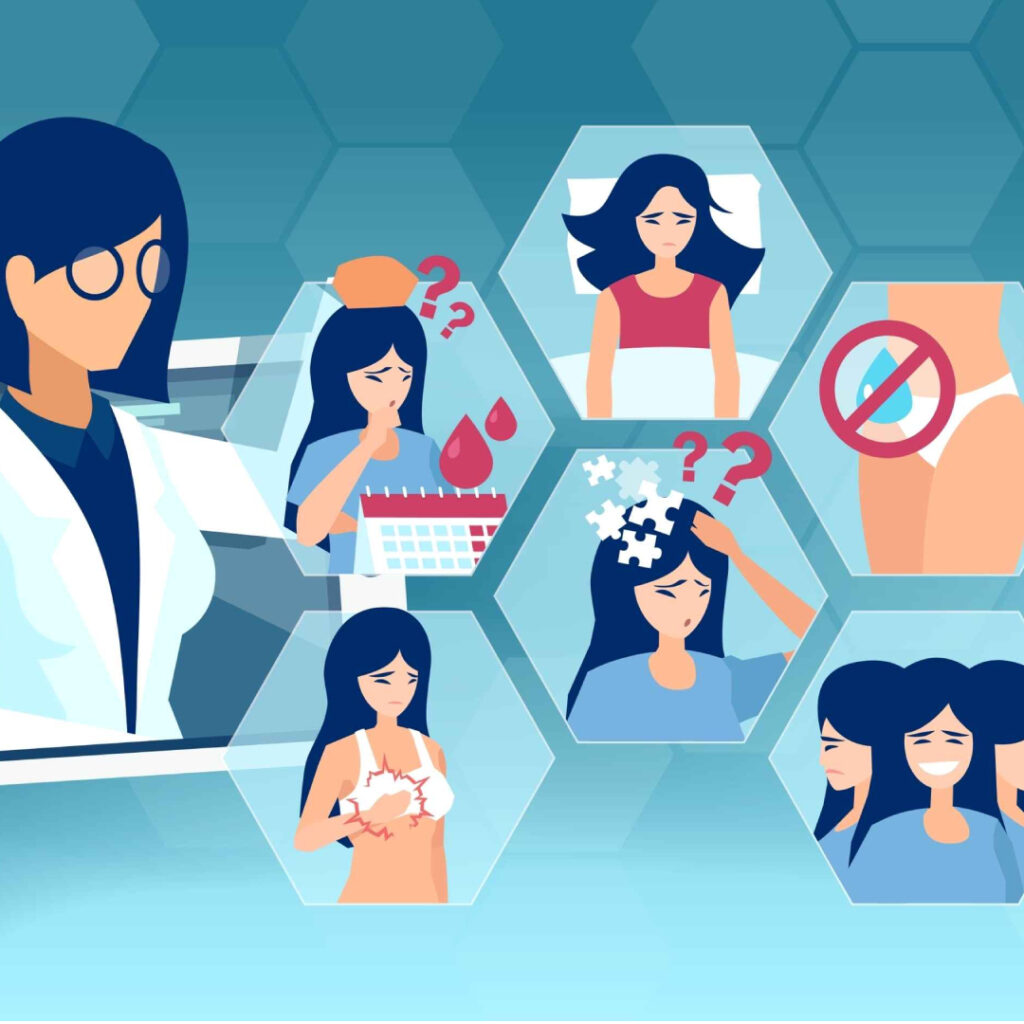
If you have ongoing concerns, a consultation can help determine whether hormone testing is appropriate. Topics you may wish to discuss include:
- Changes in energy, sleep, or mood
- Menstrual cycle changes or perimenopause-related concerns
- Symptoms associated with menopause
- Changes in libido or other sexual health concerns
- Concerns about stress-related symptoms
- Questions about hormone therapy or ongoing hormone monitoring
These symptoms are not specific to a hormone imbalance. Your provider may recommend conventional blood tests or other assessments before, instead of, or in addition to DUTCH testing.
Hormone Testing Frequently Asked Questions
DUTCH stands for Dried Urine Test for Comprehensive Hormones. It is a laboratory testing method that measures selected hormone markers and metabolites using dried urine samples.
Many DUTCH tests allow at-home sample collection. Instructions vary by panel, and certain tests include saliva collection. Your provider and the kit instructions will explain the required steps.
DUTCH results may offer additional information, but they do not independently establish a diagnosis. Your provider must interpret results alongside symptoms, medical history, physical findings, and other appropriate tests.
No. The usefulness of the test depends on the clinical question. Standard blood or other testing may be more appropriate for some concerns. Your provider can discuss which approach makes sense for you.
Do not stop or change prescribed medications on your own. Tell your provider about all medications, hormone products, and supplements so they can advise you about preparation and interpretation.
Your provider can explain what the results may mean, discuss any limitations, and recommend follow-up if needed. Test findings do not necessarily indicate that hormone treatment is required.
Schedule a Hormone Health Consultation in Wyandotte, MI
Interested in learning whether DUTCH Hormone Testing may be appropriate for you? Contact Great Lakes Health, Wellness, and Aesthetics today at (734) 287-3000 to schedule a consultation.